Night of the Ancient Fires
”Flamma forneld! Lys vår gärning! Lys genom tiden.”
A cultural celebration and living maritime tradition where bonfires are lit along the shores of the Baltic Sea on the last Saturday of August to celebrate community, the sea, and shared heritage.
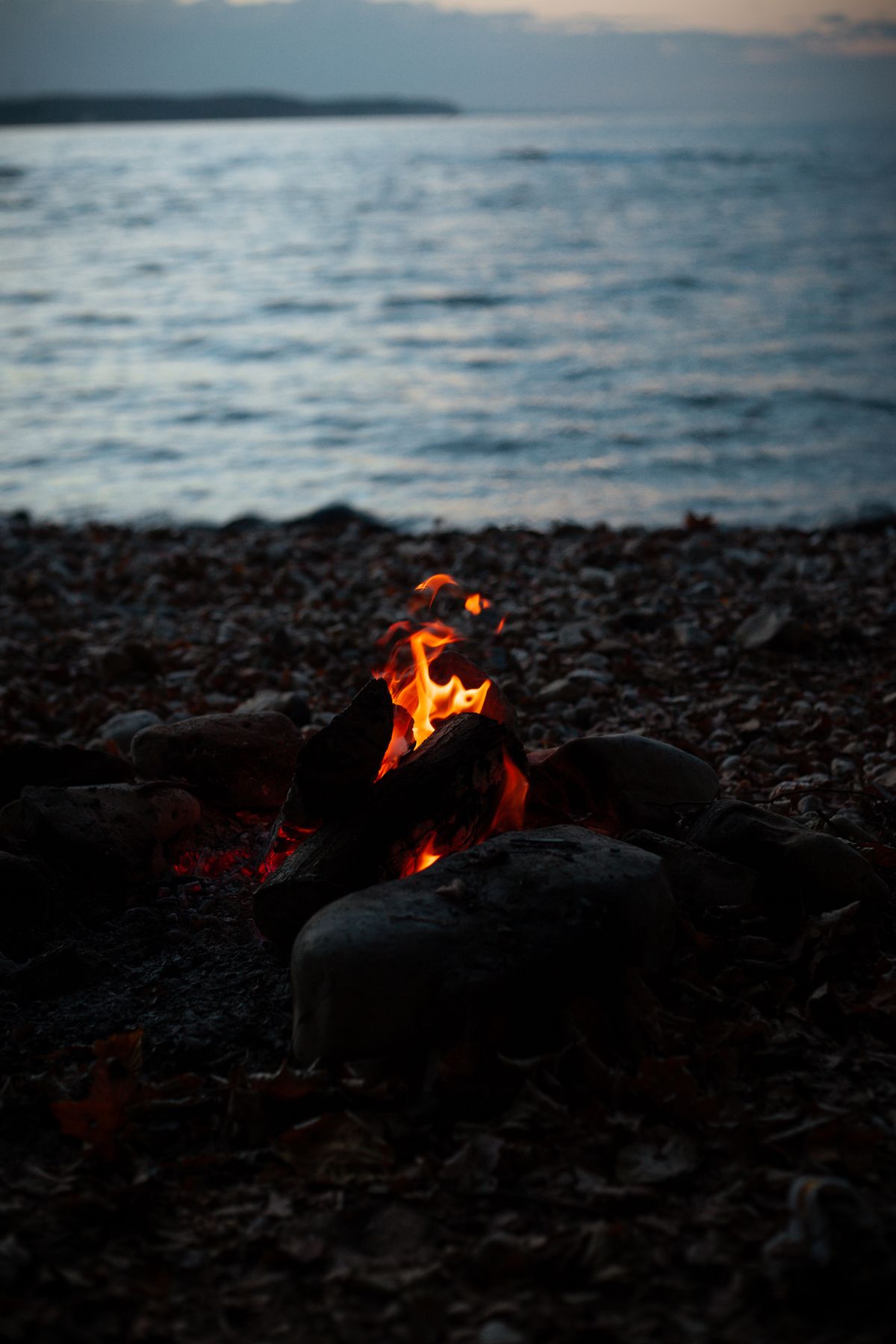
What is the Night of Ancient Fires?
Forneldarnas natt in Swedish, or Muinaistulien yö in Finnish (often translated into English as the Night of the Ancient Fires or Ancient Lights), is a cultural event celebrated by lighting bonfires along the coastlines of the Baltic Sea, evoking the ancient coastal beacons (vårdkasar / vainovalkeat).
Celebrated annually on the last Saturday of August, the event brings together local island residents, summer cottagers, boaters, and international visitors to share the warmth of fire, celebrate the late summer season, and reflect upon maritime unity.
Origins on Kimitoön Island in 1992
The concept of celebrating Forneldarnas natt was born on the island of Kimitoön (Kemiönsaari) in Southwest Finland on the initiative of Kristian Lindroos and Paula Wilson.
A dedicated Finnish working group consisting of the initiators alongside representatives from the Coast Guard (Sjöbevakning), Åbo Akademi University, the police, and fire & rescue services organized the very first official Night of Ancient Fires on the final Saturday of August in 1992, as part of Finland's 75th Jubilee Year of Independence.
Rather than being an unbroken ancient ritual, the event was consciously created as an eldfest (fire festival), partly inspired by the Venetian Night tradition (veneziansk afton / venetsialaiset) in Ostrobothnia.
The Vision: Bringing Communities Together
During Finland’s 75th anniversary, cultural leaders sought projects that would establish a lasting tradition. The Åboland Cultural Council (Åbolands kulturråd), led by cultural officer Birgitta Bröckl, championed the idea of a brand new late-summer tradition.
Uniting People
Bridging the rural archipelago communities with visiting summer cottage residents.
Extending the Season
Extending the vibrant archipelago tourism and cultural season into the warm twilight of late August.
The poetic Swedish name was inspired by Finnish-Swedish writer Alexander Slotte’s renowned poem Slumrande toner, with its famous line:
”Flamma forneld! Lys vår gärning! Lys genom tiden.”
(”Flame, ancient fire! Illuminate our deeds! Shine through the ages.”)
Spreading Across the Baltic Sea
The tradition quickly resonated with maritime communities, spreading from the Åboland / Turunmaa Archipelago eastwards along the Gulf of Finland, westwards to the Stockholm archipelago in Sweden, and southwards across the sea to the Estonian coastline. Today, chain fires burn simultaneously in Finland, Sweden, Estonia, Latvia, and Lithuania.
The celebration remains decentralized by design: every village, guest harbour, civic association, restaurant, and private cottage creates their own gathering. While fire and light remain the central symbols, communities enhance the evening with classic retro parades, lighted boat flotillas, live music, and fireworks.
Beacon Fires & Historical Symbolism
Celebrations often highlight the symbolism of ancient chain-beacon fires (vårdkasar) that once stood atop coastal hills to warn of approaching fleets. While historians note that historical beacon networks were practical and localized, the symbolic recreation captures a timeless connection to our maritime past and deep respect for the Baltic environment.
Today, Forneldarnas natt represents closeness, local hospitality, and warmth—celebrated equally as a grand public festival in harbours like Pargas and as intimate family gatherings on quiet rocky shores.
Sources & References:
- Wikipedia: Forneldarnas natt (sv.wikipedia.org)
- Stora finlandssvenska festboken, Svenska litteratursällskapet i Finland (SLS), 2020, pp. 239–243.
- Sydkustens landskapsförbund & Ancient Lights Network.